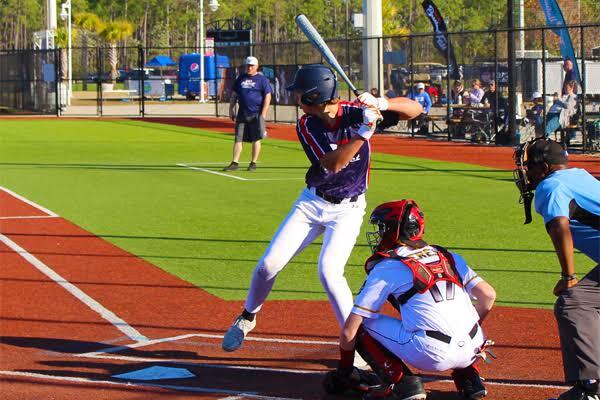

The United States has always been a nation built on sports. From the icy rinks of the North to the sun-scorched diamonds of the South, athletics are woven into the American fabric. However, in 2026, a massive shift is occurring in the travel industry. It is no longer just about sightseeing; it is about sports tourism. And at the epicenter of this multi-billion dollar revolution, specifically for youth baseball, lies a stretch of sugar-white sand along Florida’s Emerald Coast: Panama City Beach (PCB).
While Orlando draws crowds with mouse ears and Miami pulses with nightlife, Panama City Beach has quietly, and strategically, positioned itself as the ultimate destination for traveling baseball families. It is the perfect alchemy of world-class athletic facilities, affordable family lodging, and breathtaking natural beauty.
The Genesis of a Sports Tourism Powerhouse
To understand PCB’s dominance, you have to look at its infrastructure. It wasn’t luck that turned this Panhandle city into a sports mecca; it was a calculated investment. A decade ago, city planners realized that relying solely on spring breakers was volatile. They needed a stable, year-round economic driver. They found it in youth baseball.
The city invested heavily in two massive complexes: Publix Sports Park and the already established Frank Brown Park. These aren’t your local Little League fields. These are major-league caliber facilities designed to host national tournaments, drawing thousands of teams from across the country. In 2026, the city is projected to host over 1,300 traveling baseball and softball teams. This translates to roughly 59,000 visitors descending upon the city specifically for diamond sports during the summer months alone.
What sets PCB apart is the “complex” philosophy. Unlike other cities where fields are scattered across town, PCB’s facilities are centralized. This means less time in traffic and more time at the ballpark. The fields are meticulously maintained with professional-grade grass, state-of-the-art lighting for night games, and massive spectator stands that allow hundreds of parents, grandparents, and siblings to watch the action in comfort. For a 12-year-old stepping onto a Publix Sports Park field, it feels like they are walking into a Minor League stadium. That feeling is addictive, and it keeps teams coming back year after year.
The Economic Slam Dunk: A $64 Million Impact
When people talk about “sports tourism,” they often forget the economic weight it carries. In Panama City Beach, the numbers are staggering. The summer baseball season alone is projected to generate nearly $64.5 million in direct economic impact for the local economy in 2026.
Let’s break down the numbers. When a team travels to PCB, it isn’t just the player. It is a family entourage. We are talking about mom, dad, siblings, and often grandparents. A typical stay lasts anywhere from four to seven days. These families don’t just rent hotel rooms; they rent condos, beach houses, and vacation rentals. Unlike a business convention, where attendees might grab a quick sandwich, sports families are eating out for breakfast, lunch, and dinner.
Local restaurants, seafood shacks, and pizza joints see a massive surge in business during tournament weekends. Retail outlets, souvenir shops, and grocery stores also see a significant uptick. The beauty of baseball tourism is its “stickiness.” Hotels experience record occupancy rates during the summer, turning what used to be a seasonal beach town into a year-round hospitality machine. The ripple effect is visible everywhere, from the gas stations to the local ice cream parlors. This economic injection allows the city to keep taxes low for residents while continuously reinvesting in public infrastructure. For Panama City Beach, baseball isn’t just a game; it is the engine of the local economy.
Accommodation Hacks: Where to Stay for a Baseball Trip
Finding the right accommodation is crucial for a successful baseball trip. In 2026, the trend in PCB is shifting away from traditional hotels and toward vacation rentals. Sites like Vrbo and Airbnb have exploded in popularity here because baseball families are looking for space.
A large family needs a kitchen to prepare pre-game meals, a washer and dryer to clean dirty uniforms, and multiple bedrooms so the kids aren’t fighting over the TV. The Treasure Island and Front Beach Road areas are hotspots for these rentals. Staying in a beachfront condo allows parents to wake up, make coffee, and watch the sunrise over the Gulf before heading to the ballpark for the 8:00 AM game.
However, there is a secret that savvy travelers use: Booking early wins the game. Because Publix Sports Park is so popular, the inventory of quality rentals disappears months in advance. The local sports associations recommend booking your rental the same day you register for the tournament. Furthermore, look for “Team Blocks.” Many property management companies offer discounted rates for baseball groups. If you coordinate with the other parents on your team, you can often rent out an entire floor of a condo building, creating a “baseball village” where the kids can swim in the pool together after the games. This community aspect, the post-game pool parties and cookouts, is the hidden “magic” of traveling to PCB that you don’t get in a sprawling urban hotel.
Beyond the Ballpark: The Hidden Gems of Panama City Beach
This is where PCB truly outshines its competition. When the baseball tournament takes a break—say, a noon game scheduled for tomorrow—traveling families aren’t stuck in a dreary convention center parking lot. They are in paradise. And while everyone knows about the main public beaches, there are a few local secrets that turn a good trip into an unforgettable one.
The St. Andrews State Park Sanctuary
Just a short drive from the sports complexes lies St. Andrews State Park. This 1,200-acre protected gem is PCB’s crown jewel. Instead of fighting for chair space on the crowded main strip, baseball families can drive into the park, pay a small entry fee, and walk onto quiet, pristine beaches. The surf here is gentler, protected by the jetties, making it safe for the younger siblings to swim. For the baseball players who need a break from running bases, there is a nature trail that winds through sand dunes and maritime hammocks, where you can spot local wildlife like gopher tortoises and snowy egrets. The park also offers the Shell Island shuttle—a ferry that takes you to a secluded barrier island. It’s the perfect reward for a kid who hit a home run the day before.
Pier Park: The Third Base of Fun
While the baseball is the main event, families need food and fun. Pier Park is an outdoor shopping, dining, and entertainment destination that feels like a festival. The centerpiece is the SkyWheel, a 200-foot-tall Ferris wheel that offers stunning aerial views of the coastline. After a long day of tournament play, families flock here for dinner. The local favorite is Hook’d Pier Bar & Grill for fresh seafood, but you’ll also find classic American fare and ice cream shops. Pier Park serves as the “third base” of the trip—the place where memories are made off the field.
The Secret Fishing Spot
For the dads or moms looking to escape the bleacher noise, the jetties at St. Andrews are a world-class fishing spot. Locals often bring a simple rod and reel to catch flounder, sheepshead, and redfish. It’s a peaceful way to spend an off-day morning, bonding with the child who loves nature more than baseball.
The Lifestyle: Why Baseball Families Choose PCB
To understand the success of Panama City Beach in 2026, you have to understand the psychology of the traveling baseball family. These are people who spend their weekends and holidays driving from field to field. They deal with crowded parking lots, bad concession stand food, and hot bleachers. They are looking for a destination that offers relief.
PCB provides that relief. The moment the game ends, the “vacation” begins. You can be at the beach within ten minutes of the final out. The local residents are incredibly welcoming to the sports crowds, knowing that these visitors are the lifeblood of the town. Furthermore, the weather is favorable. While the summers are hot, the Gulf breeze provides a natural air conditioning that cools the ballparks.
In 2026, with the cost of living rising, families are also looking for value. PCB offers more affordable rates compared to the major Florida metros. You get a better condo, better food, and a better beach for a fraction of the price of a Miami or Key West vacation. The city has become synonymous with the phrase “Sports Vacation,” where the score of the game doesn’t matter as much as the quality of the family time in between innings.
Logistics and Local Food Scene
Navigating PCB during a tournament requires some local knowledge. The traffic on Front Beach Road can get heavy, especially during summer. Locals advise taking the “back roads” like Thomas Drive or Hutchison Boulevard to bypass congestion. Waze and Google Maps are essential tools.
When it comes to food, skip the chain restaurants and dive into the local “Mom and Pop” spots. Dusty’s Oyster Bar is a hole-in-the-wall institution known for its raw oysters and laid-back vibe. Captain Jack’s Family Buffet is a favorite for hungry athletes who need to carb-load with endless fried chicken and seafood. For a quick breakfast before the 8:00 AM game, stop by Sunrise Cafe for massive pancakes that will fuel a slugger for double-header.
Baseball tournaments also mean “Team Dinners.” Most local restaurants are happy to accommodate large groups, but it is imperative to call ahead. A team of 20 can overwhelm a small kitchen, so planning the team meal a day in advance is a smart move.
Conclusion: The Final Score
Panama City Beach isn’t just a destination; it’s an experience designed for the modern athletic family. In 2026, as sports tourism continues to surge, PCB stands at the pinnacle of this industry. The city has leveraged its natural beauty, invested in top-tier baseball infrastructure, and cultivated a hospitality culture that makes every visitor feel like a local.
For the young ballplayer, it is a dream to play on immaculate fields where the lights shine bright and the crowds are loud. For the parents, it is the comfort of knowing their family is safe, entertained, and well-fed. For the younger siblings, it is the joy of building sandcastles on the Emerald Coast while cheering on their big brother or sister.
The numbers don’t lie. The $64 million economic impact, the 59,000 visitors, the 1,300 teams—these are all indicators of a healthy, vibrant sports tourism ecosystem. But the true magic is invisible. It is the smile on a child’s face after a walk-off win. It is the family photo on the beach before the championship game. It is the memory of a vacation that felt like a victory, regardless of the scoreboard.
So, if you are planning a trip to the USA in 2026 and you are looking for a specific, incredible experience, skip the crowded theme parks. Head to the Panhandle. Pack your baseball glove, your swimsuit, and your appetite for adventure. In Panama City Beach, the home runs aren’t just hit—they are lived. And that, ultimately, is the true heart of American sports tourism.











No responses yet