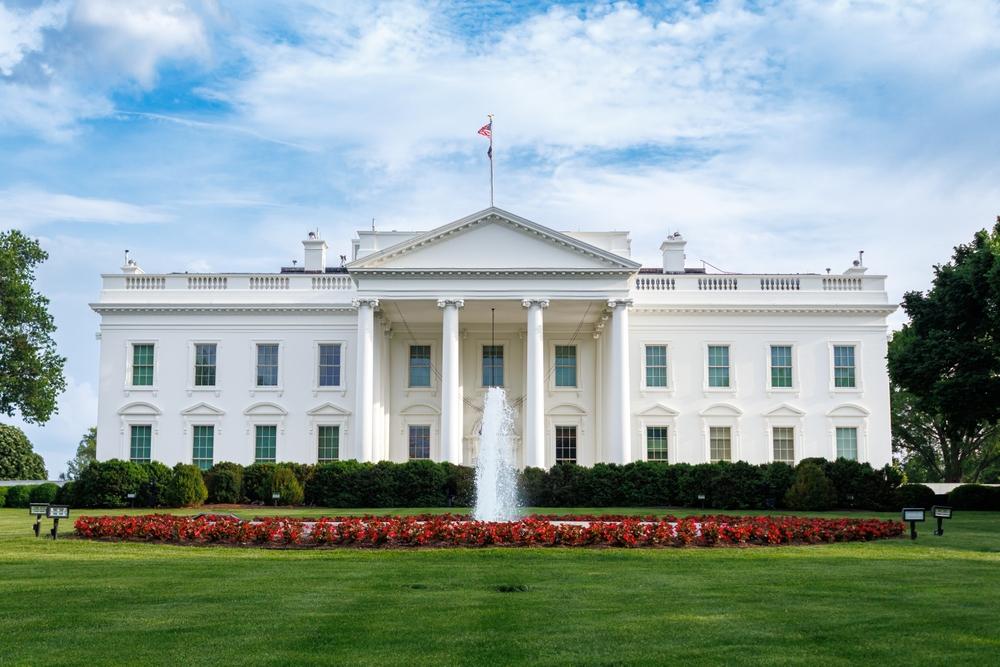
The White House is more than just an iconic structure in Washington, D.C. It is a convergence of America’s political history, architectural marvels, diplomacy, and presidential traditions. Located at 1600 Pennsylvania Avenue NW, the building has been the official residence and office of each American president since the time of John Adams.
The iconic white structure that stands in the midst of its manicured gardens and amidst the streets of downtown Washington, D.C. is now a symbol of the country.
A Building with a Long History
The history of the White House can be traced back to the latter part of the 18th century when the newly created United States government was in need of a presidential residence. The construction of the building commenced in 1792 from designs by the Irish architect, James Hoban.
Even though the building was not known by the name White House at that time, the white appearance of the building would later give rise to its name. John Adams was the first resident of the building when he moved into the incomplete structure in 1800.
From Fire to Reconstruction
One of the most interesting episodes from the history of the construction took place during the War of 1812 when British soldiers burned down the White House in 1814, thus damaging the building badly.
The building was reconstructed later and brought back into use. One of the people who worked on its reconstruction was James Hoban.
This episode was a significant element of the White House’s history and showed that the building was more than just a private property at the time.
Architecture and Design
The White House itself has been built in a neoclassical style, borrowing heavily from architectural styles found in Europe but developing its own unique identity as the home of the President of the United States.
The most notable elements of its architecture include the impressive portico at the center, its symmetry, high windows and columns.
The White House consists of several structures including the Executive Residence, West Wing and East Wing. The West Wing is used by the president for executive functions including the Oval Office.
The Oval Office
Of all the rooms that have been used by presidents of the United States, probably the Oval Office is the most famous one.
It is situated in the West Wing of the White House, and it is there where the president meets his aides, foreign diplomats, government officials and world leaders.
Its unique shape and presidential decorations make it an extremely recognizable space in American politics.
Pictures taken inside the Oval Office are usually of great historic significance as they document diplomatic negotiations, crisis management, legislative work and other decisions of the president.
The White House Grounds
Lush grounds are found around the White House buildings and add to the grandeur of the place.
Among the grounds, the South Lawn enjoys recognition since it has been used for ceremonies, receptions, and various other functions. The ground also holds many associations with the presidency and other events.
The grounds present a marked difference between the hustle and bustle of the city and offer a green space right in the heart of Washington D.C.
A Centre of American Government
While the White House is known to be the president’s residence, there is more to it than just that.
It is an operational center for the executive department in which high-ranking officials hold meetings and announce policy decisions.
The White House has been utilized by many presidents during some of the most important events in the history of America, ranging from times of war and economic depression to diplomatic talks and national celebrations.
Therefore, the White House is intimately tied to the history of the country.
Visiting the White House
Washington, DC’s White House has proven to be one of the major sites that draw many people to the capital. However, access to the White House is more difficult compared to the entry to many other traditional landmarks.
Tourists can arrange a visit to the White House under certain conditions, while visits to the White House Visitor Center will provide additional information about the landmark.
Nevertheless, tourists who are sightseeing the central parts of Washington can find a visit to the White House worthwhile just by looking at the building.
What Can You See Nearby?
The first benefit of taking a trip to the White House is its convenient location. There are a number of attractions located in Washington that is quite close by.
It is possible to proceed to the National Mall to visit monuments, memorials, and museums. Some of the most popular Washington attractions include such places as the Washington Monument, Lincoln Memorial, World War II Memorial, and the National Museum of American History.
In this way, the White House becomes one more point to see in Washington.
A Symbol Recognised Around the World
The White House has appeared countless times in photographs, documentaries, newspapers, films and television programmes. Its image is immediately associated with the U.S. presidency.
However, its significance is not purely visual. The building represents the peaceful transfer of presidential power, the responsibilities of the executive branch and the continuing history of American democracy.
Every administration brings its own priorities and personality to the building, while the structure itself remains a constant presence.
Best Way to Experience It
Instead of seeing it as merely an old historical building, one can see how it fits into an even bigger picture.
Spend some time admiring its architecture and learning about the lives of presidents who have called it home. The White House combined with the National Mall and other nearby museums may become your chance to have a greater understanding of the history of America.
Conclusion
The White House Washington, DC is a building that represents the intersection of architecture, history, and politics like very few others. From its construction during the earliest years of the country to its present-day use by American presidents, it has been a witness to two hundred years worth of history of the country.
Its beautiful architectural style makes it look timeless, but history related to it keeps on evolving every generation. For everyone visiting Washington, DC, the White House becomes a chance to see the recognizable political landmark and understand the history that stands behind it.











No responses yet